DevAsign
AI agent that reviews GitHub pull requests against the goal, not just the diff.
Role
- Product Strategy
- UX & UI Design
- Design System
- Frontend Development
Project Description
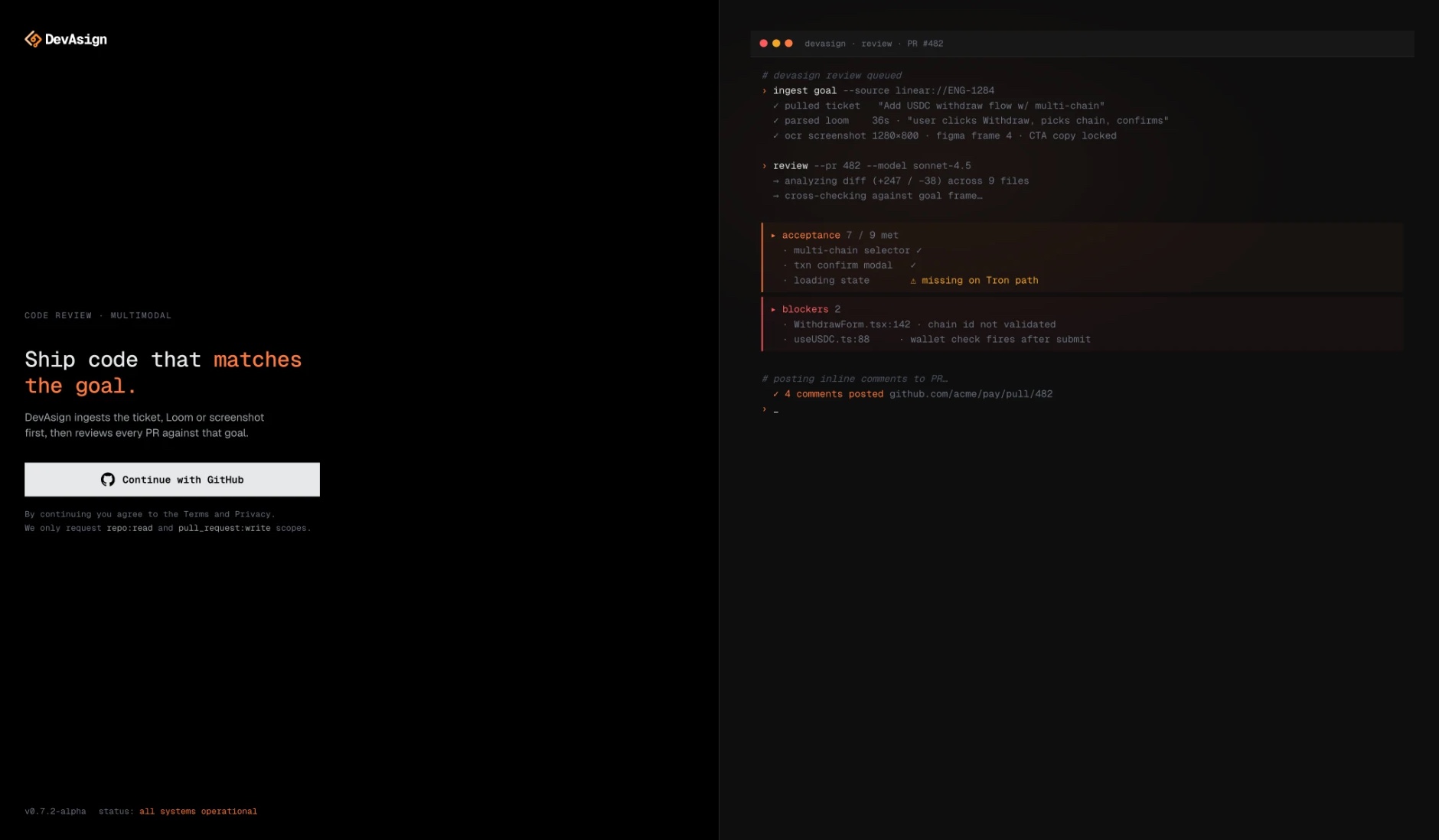
DevAsign is an AI code reviewer that starts from the goal, not the diff. It ingests the ticket, Loom, screenshots or Figma file first, reviews every GitHub pull request against that goal, guides developers inline, and flags what will break in production.
I co-founded DevAsign in 2026 and lead its product design end to end: the review experience, the information architecture, the design system and the frontend.
Goals & Objectives
AI review tools leave long comments that maintainers have to take on trust. The design goal was to make every verdict easy to check. The objectives were to:
- Tie each review to the goal it was checked against, so maintainers see why a PR passed or failed.
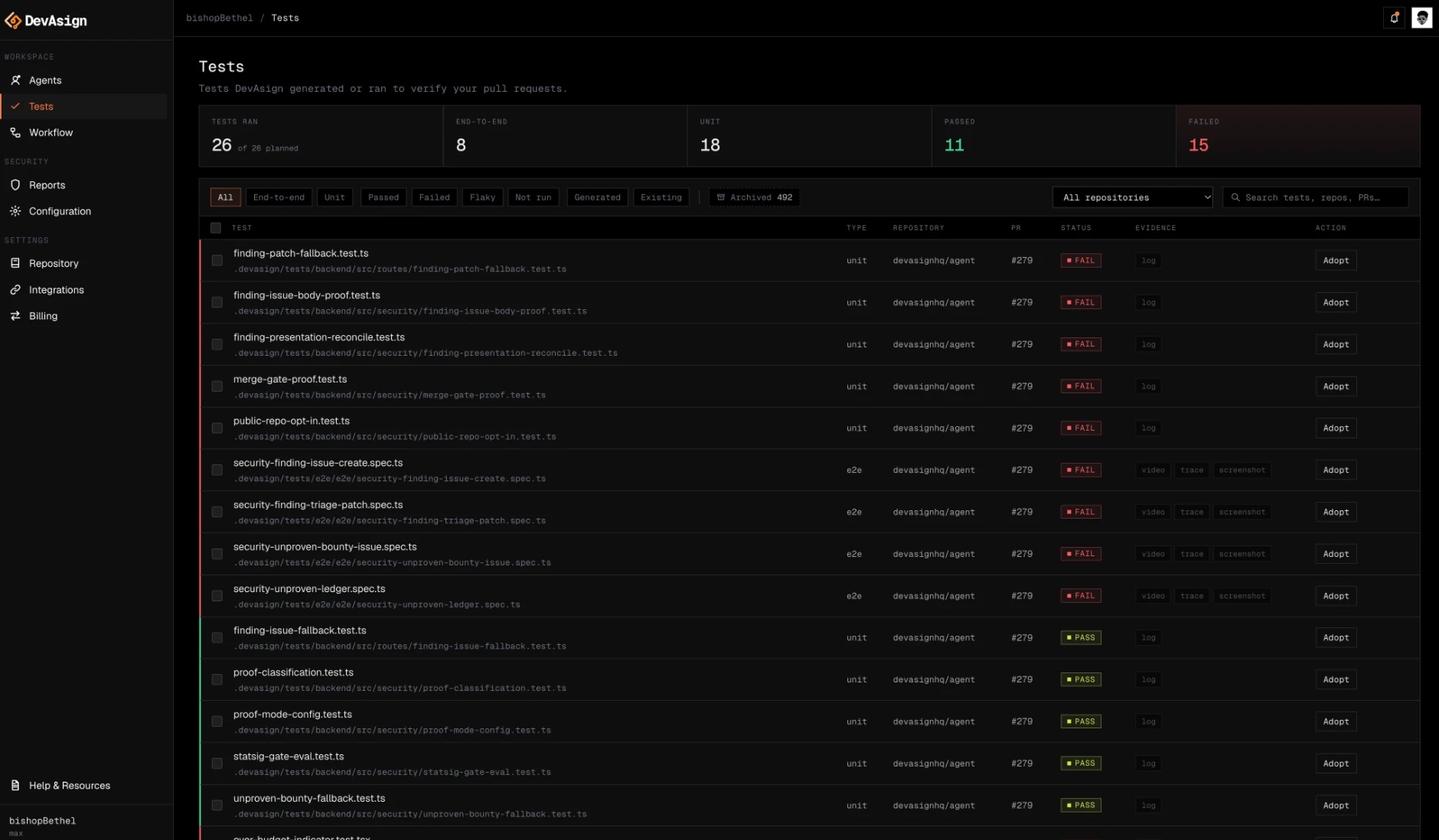
- Back every claim with evidence, such as a test, a log or a source document.
- Fit how engineering teams already work: GitHub sign-in, inline PR comments and a dense, information-rich interface.
- Let teams tune how strict the reviewer is without touching configuration files.
Design Approach
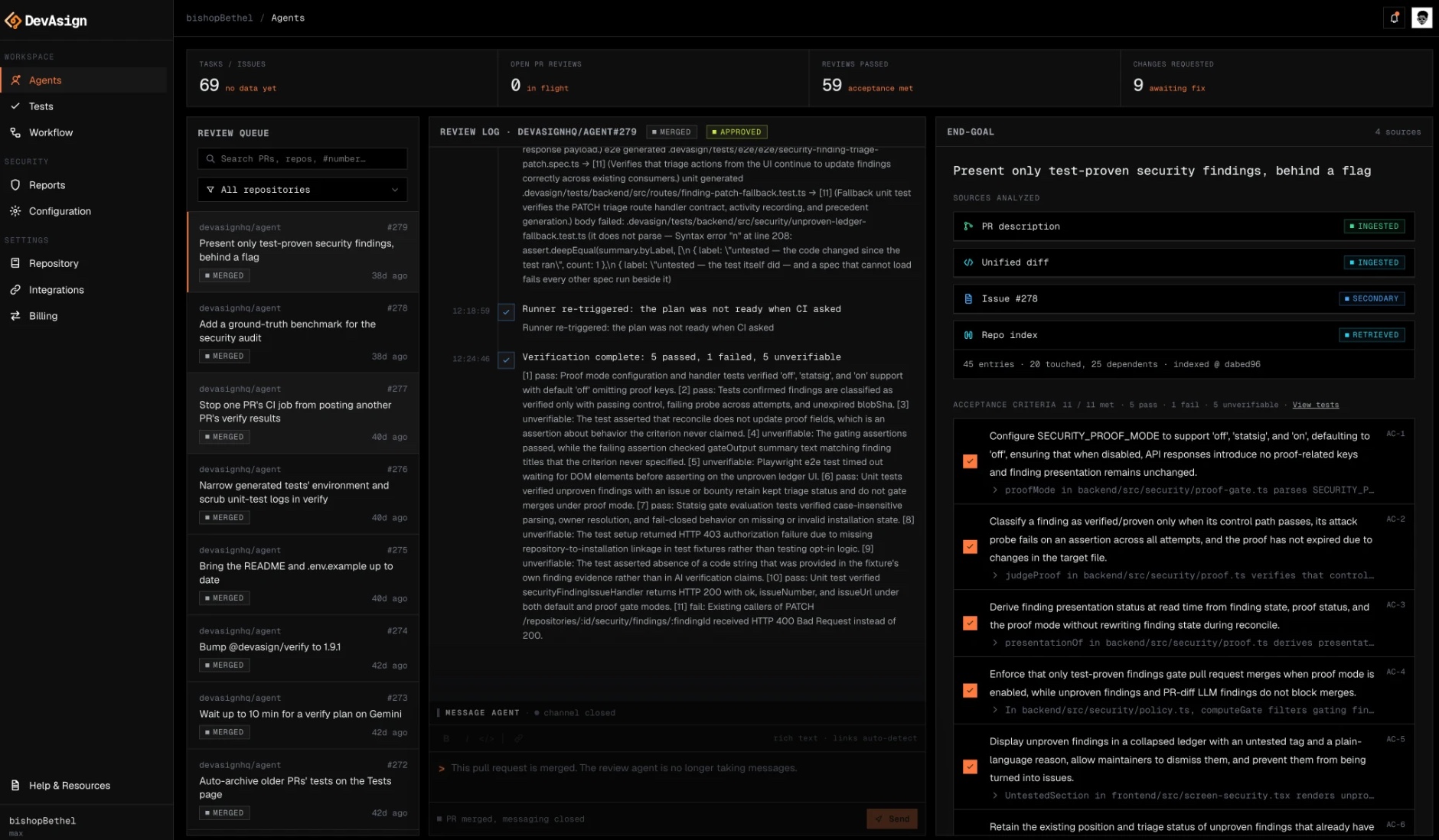
I designed DevAsign as a developer tool first. The interface is dark and monospaced, borrowing from the terminal and the code editor where our users spend their day. A single orange accent is reserved for status and action, so the eye goes straight to what needs attention.
The central idea is the end-goal panel. Every review shows the goal, the sources it was built from, and each acceptance criterion linked to the line of code that meets it. A maintainer can audit the agent’s reasoning in seconds instead of rereading the diff.
I also built the frontend myself in Next.js and TypeScript with AI-assisted development. Working in code let me refine interaction details against real review data rather than static mockups.
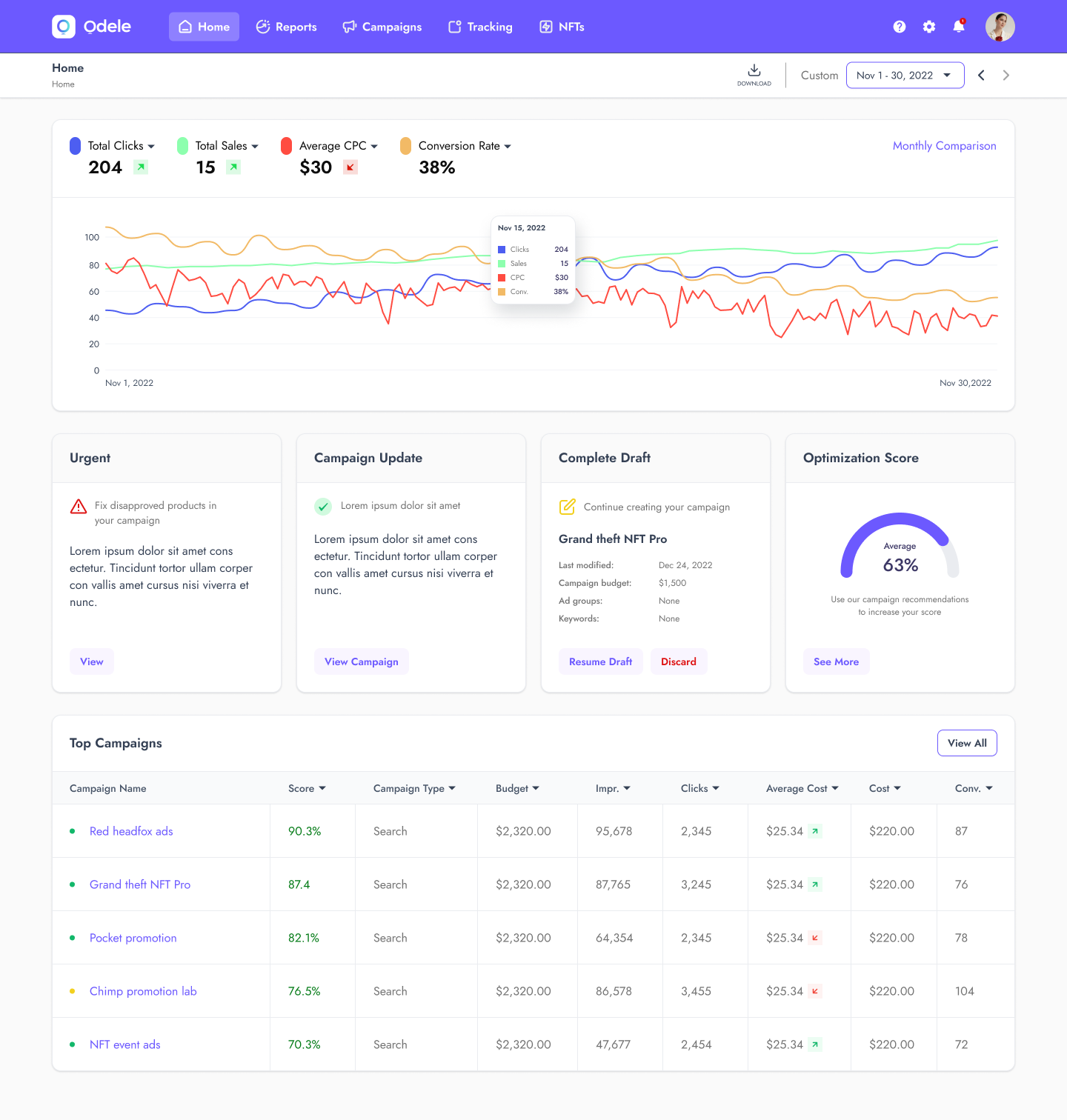
Show the product working before asking for access
Every verdict traces back to the goal
Proof, not opinions
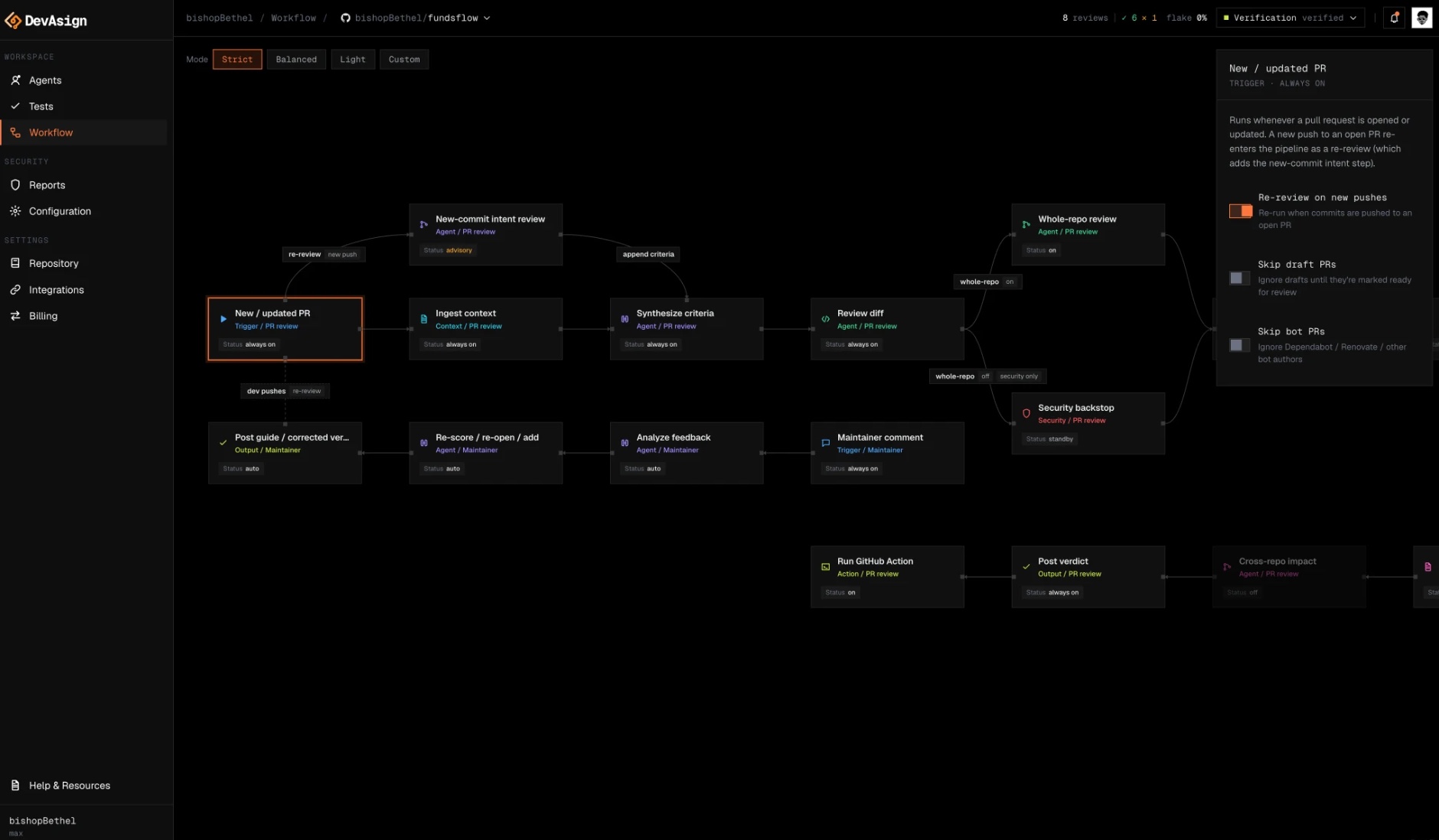
A review pipeline teams can tune
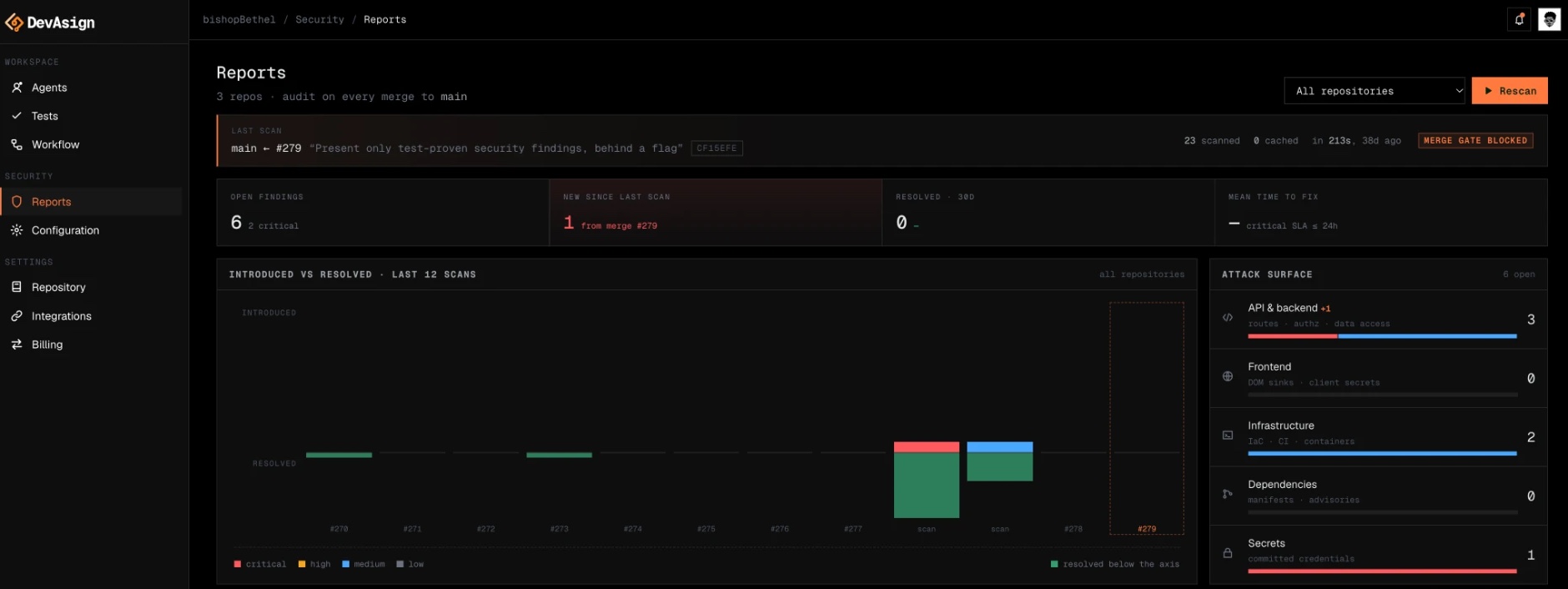
Security checks on every merge
Outcome
The goal-first review flow became the core of the product. DevAsign now reviews its own pull requests, and the screens above come from our real workspace.
Open-source teams including cal.com, ratatui and crawl4ai joined the beta.
The product I designed is what we demoed at SCF Demo Day, and it helped us win an $80,000 grant from the Stellar Community Fund and a $15,000 Kickstarter award.